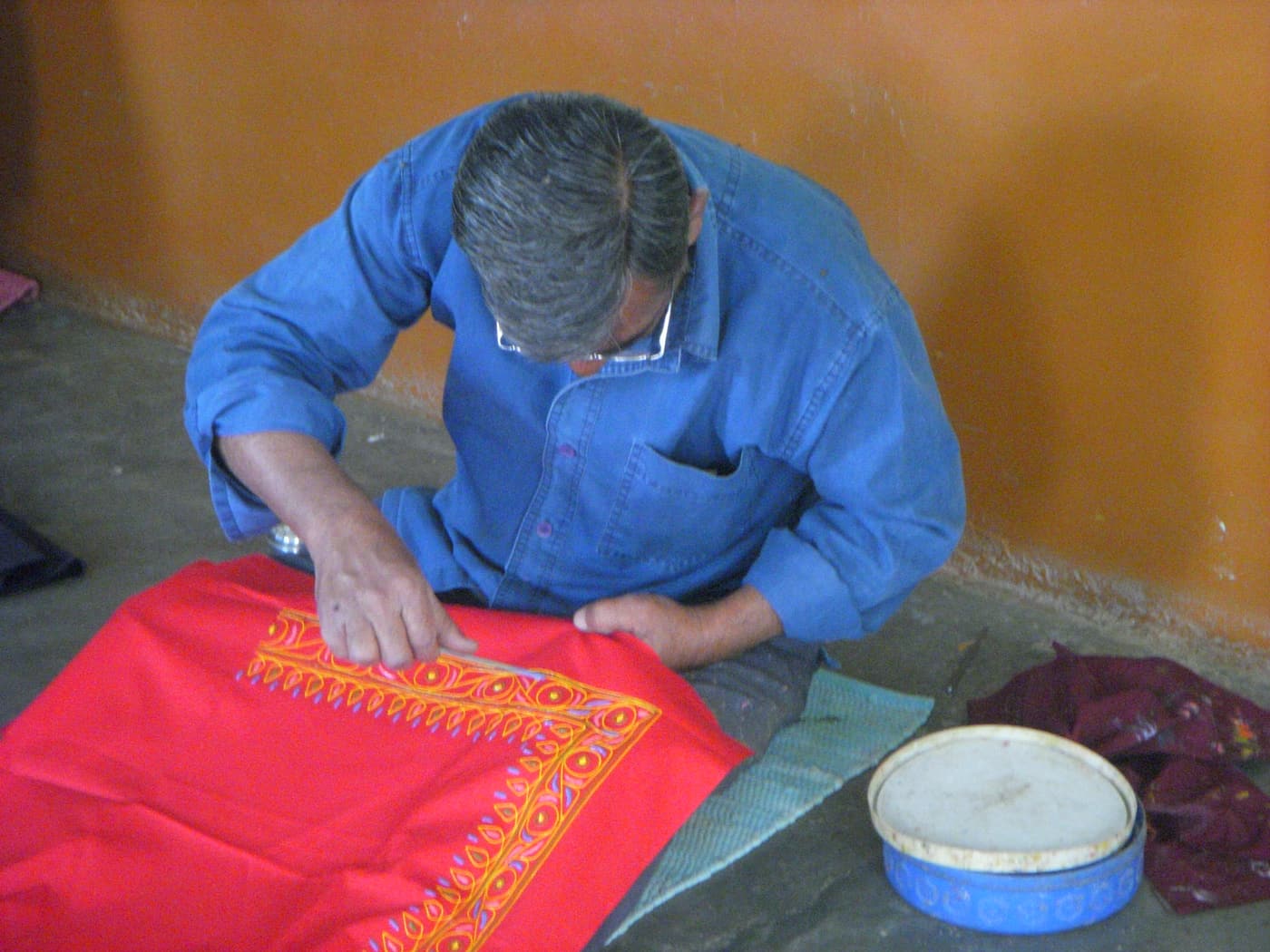
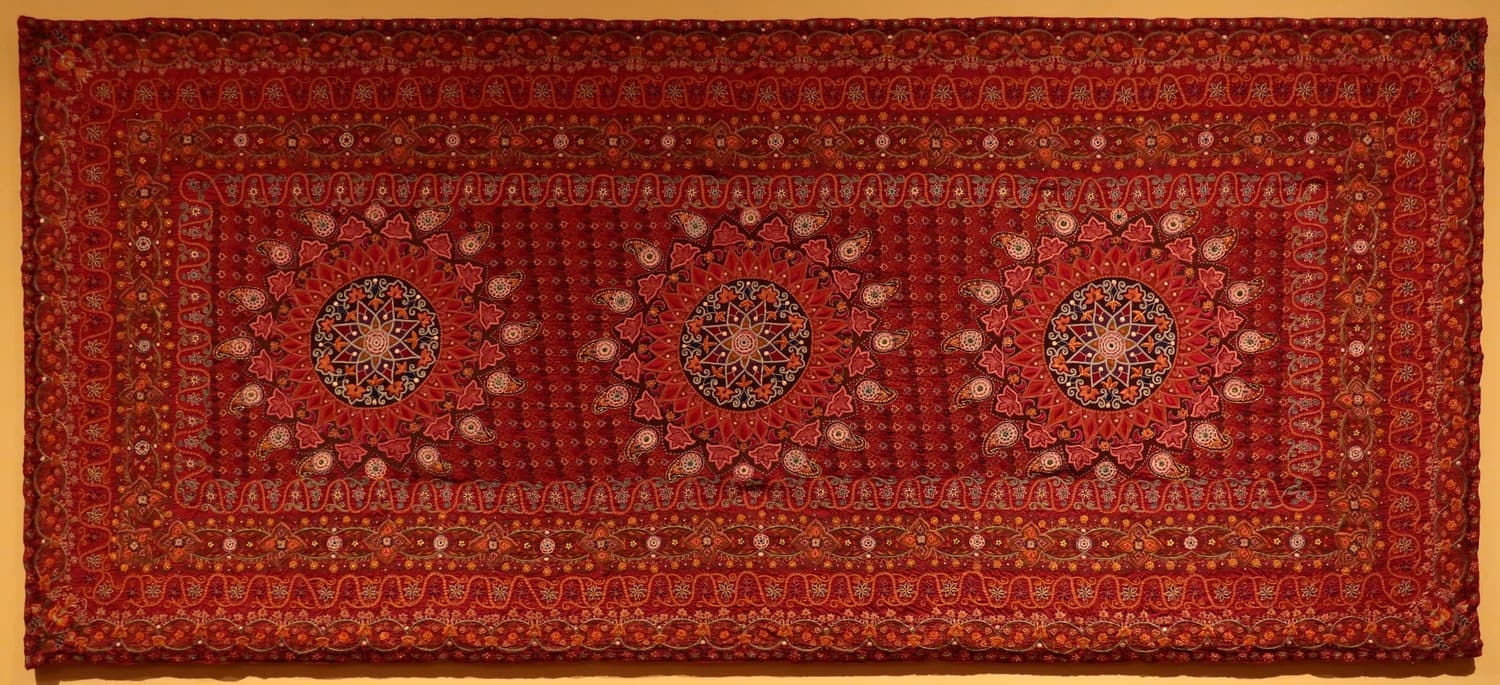
Long before tourists came for the salt, people came to Kutch for cloth. The district’s herding and farming communities — Rabari, Ahir, Meghwal, Jat, Mutwa and others — each developed their own embroidery, and around them grew whole villages of specialist weavers, dyers, printers, potters, leather-workers and bell-makers. After the 2001 earthquake a number of local organisations helped artisans rebuild their workshops, and today Kutch is one of the best places in India to buy directly from the people who make things.
The villages fall into two groups. Close to Bhuj, to the east, are Bhujodi and Ajrakhpur, an easy half-day. To the north, on the roads to the White Rann and Khavda, are Nirona and the Banni hamlets — Hodka, Ludiya, Bhirandiyara — and Khavda itself, which fit naturally into a day at the Rann or the drive to Dholavira.
Go slowly, ask before photographing people and their homes, and remember that a demonstration is someone’s working time. You are not obliged to buy; but if you like what you see, buying here puts the whole price in the maker’s hands.
What to see and do at Kutch Craft Villages
Bhujodi — weaving
About 8 km east of Bhuj, a village of Vankar weavers producing woollen and cotton shawls, stoles and blankets on pit looms and frame looms, with shops in the front rooms of their houses. Nearby are a craft park and the Vande Mataram memorial.
Ajrakhpur — block printing
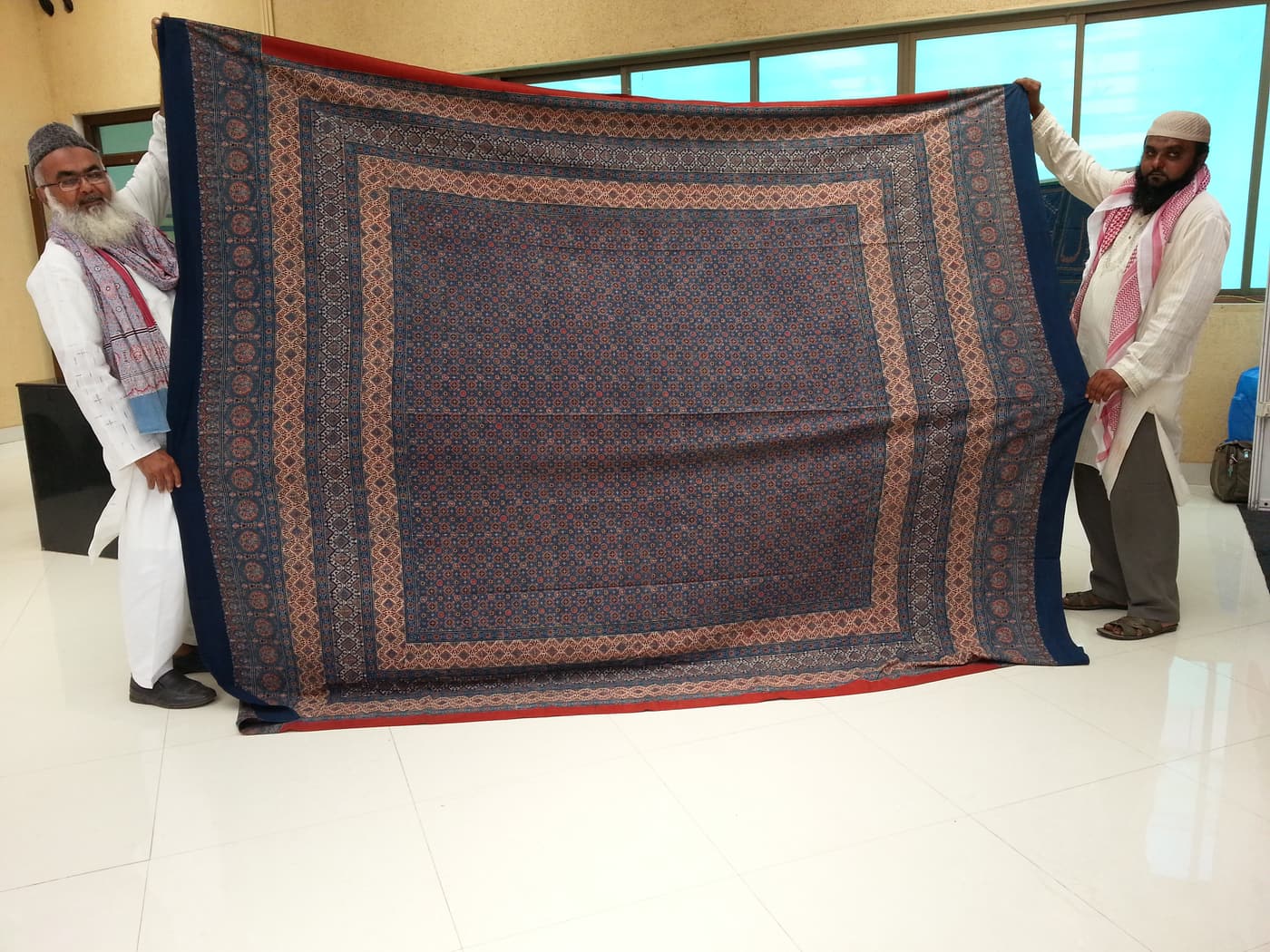
A village founded after the earthquake by Khatri printers from Dhamadka. Ajrakh is printed on both sides of the cloth with carved wooden blocks in many stages of resist and natural dye — indigo, madder, iron black. The Living and Learning Design Centre (LLDC) here is an excellent museum of Kutch embroidery.
Nirona — Rogan art, bells and lacquer
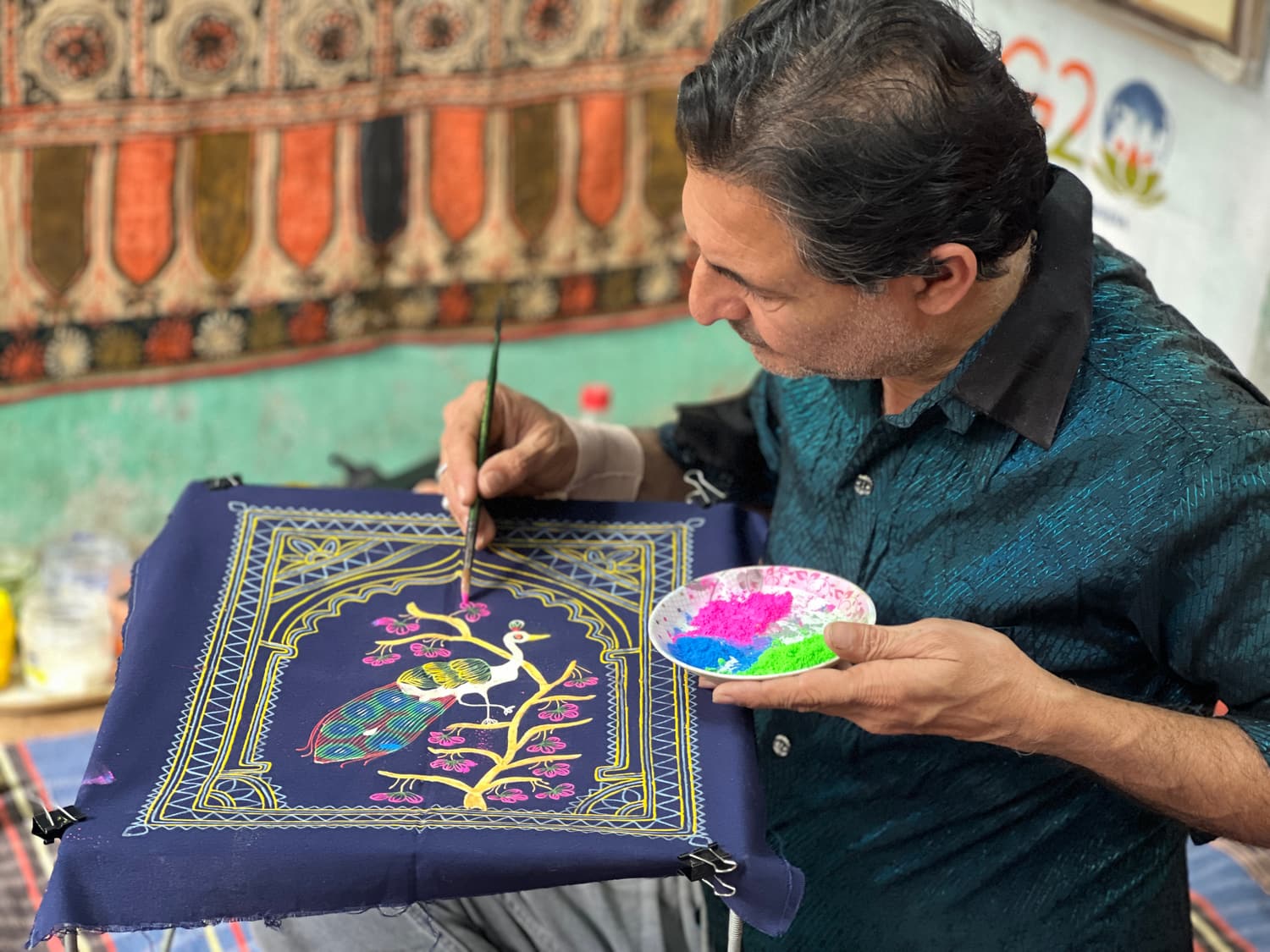
Roughly 40 km north-west of Bhuj. One Khatri family keeps alive Rogan painting, in which castor-oil paint is drawn out into fine threads with a metal rod and laid on cloth without the rod touching it. In the same village are makers of tuned copper-coated bells and lacquered woodwork.
Hodka and Ludiya — bhungas and embroidery
Banni villages of round, thatched mud houses — bhungas — their walls decorated inside with mirror-studded clay relief. Meghwal and other families sell embroidery and leatherwork from their homes. Hodka has a community-run village resort.
Khavda — pottery and sweets
The last town before the Rann. A few potter families make painted terracotta in a style often compared with Harappan ware. The town is also known for its mawa, a milk sweet.
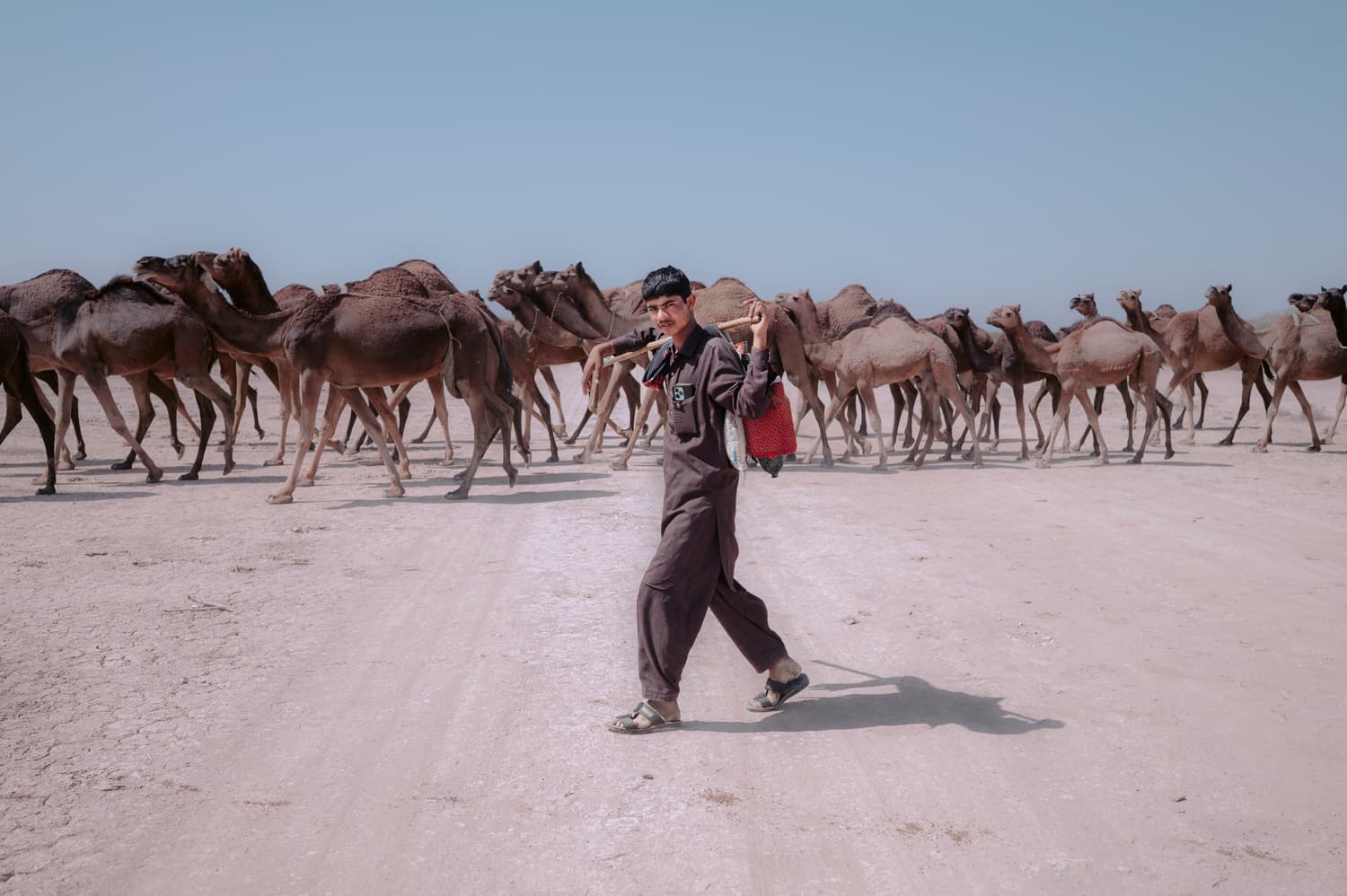
How to get to Kutch Craft Villages
- Bhujodi and Ajrakhpur are a short autorickshaw or taxi ride from Bhuj and can be combined in a morning. Nirona is best reached by car, and pairs well with the road to Dhordo. Hodka, Ludiya, Bhirandiyara and Khavda are all on or just off the Bhuj–Khavda road.
- If you are driving from Bhuj to Dholavira by the Road to Heaven, Khavda is on your way and Ludiya a small detour.
Practical tips
- Carry cash in small notes. Some workshops take digital payment, but coverage in the Banni is unreliable.
- Bargain gently if at all. Hand embroidery represents weeks of work, and artisans generally quote fair prices.
- Always ask before taking photographs, especially of women, and accept a no.
- Many workshops close for prayers on Friday afternoons and for family occasions. A local driver or guide will know who is working.
- Entry to some Banni villages near the border is covered by the same permit as the White Rann. Get it at Bhirandiyara.
Best tours for Kutch Craft Villages
Bookable tours that include Kutch Craft Villages or the country around it — check each itinerary before you book:
 Private multi-day tour from US$481
From Bhuj: 3-Day White Rann of Kutch Desert Tour
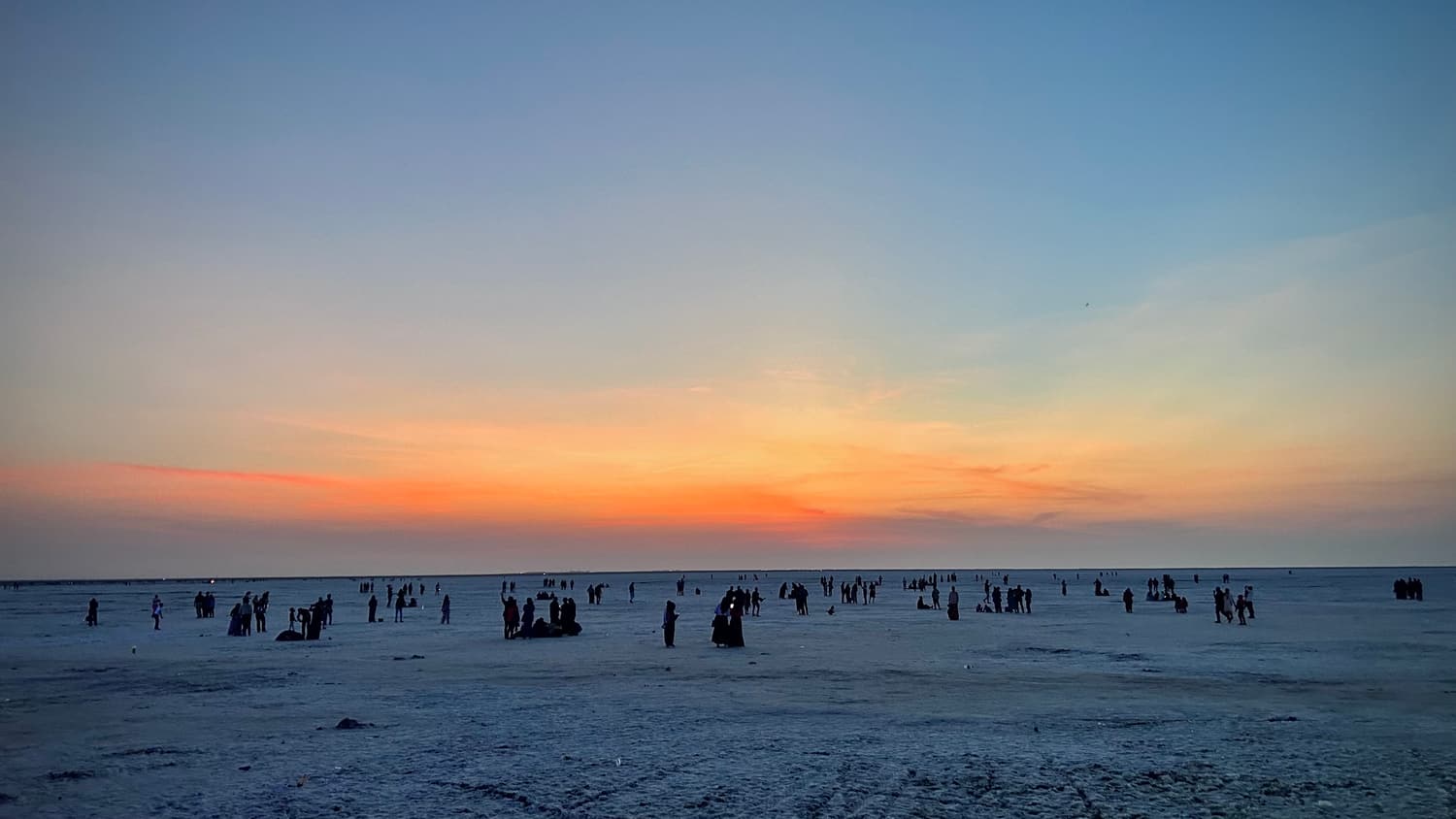
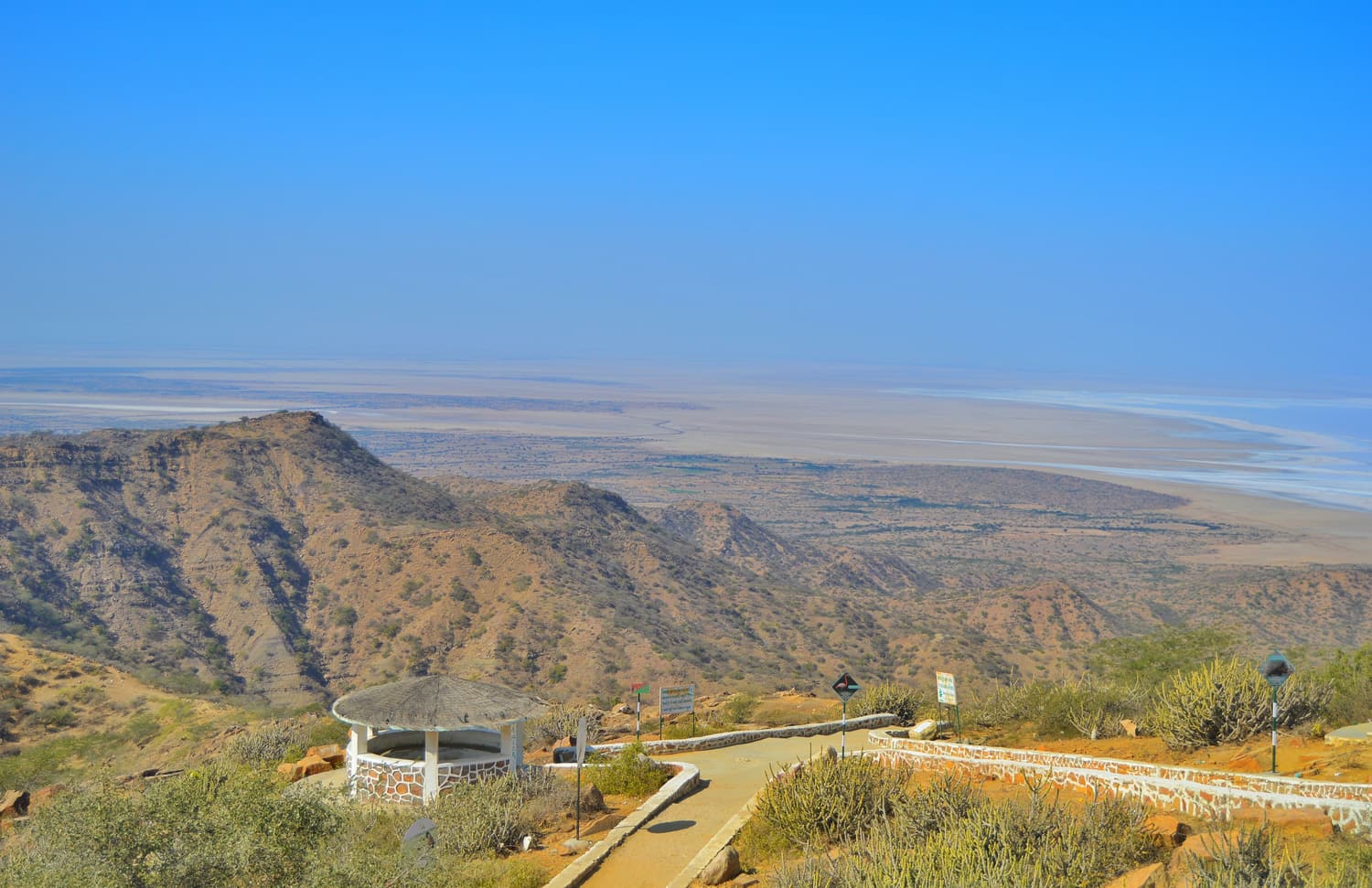
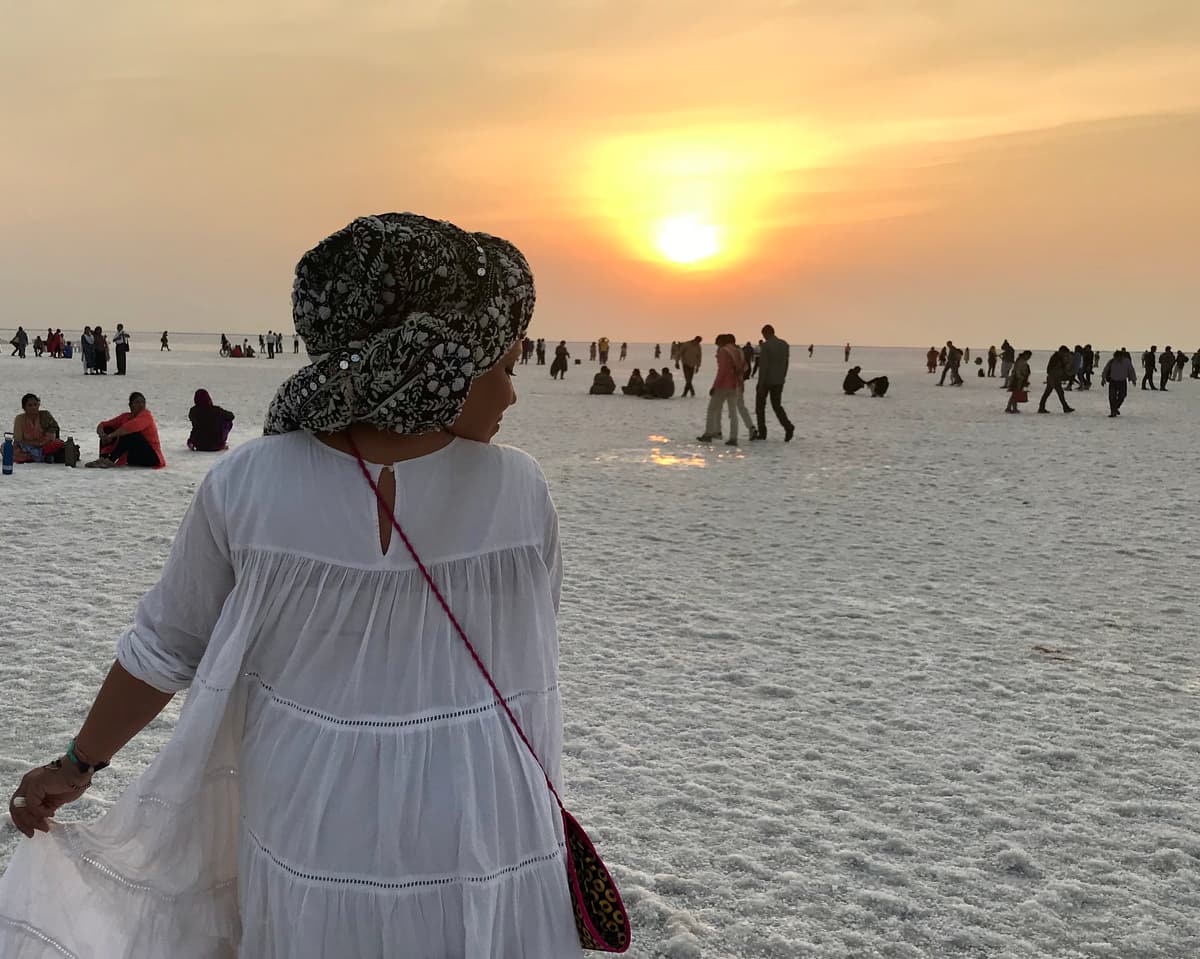
The most thorough of the Bhuj-based tours for the Dhordo side of the Rann. It strings together Rogan art at Nirona, the salt desert at sunset and again at sunrise, the bhungas of Dhordo, Khavda’s potters and the view from Kalo Dungar, sleeping two nights at a village resort in Hodka rather than driving back to Bhuj. Rann permit fees are payable directly. It does not include Dholavira — but it ends at Khavda’s doorstep, so ask the operator about adding the Road to Heaven and Dholavira as an extra day.
- Sunrise and sunset on the White Rann
- Nirona, Dhordo, Khavda and Hodka village visits
- Kalo Dungar viewpoint; two nights at a village resort in Hodka
 Private multi-day tour from US$352
From Bhuj: 3-Day Kutch Tour with White Rann & Villages
A gentler, cheaper version of the tour above that stays both nights in Bhuj. Day one is the old palaces and Bhujodi; day two is the roughly 80 km run out to the White Rann with Hodka and Dhordo and a sunset on the salt; day three is simply the airport transfer. It is in effect two days of sightseeing, and it does not go to Dholavira or Kalo Dungar. New listing, no reviews yet.
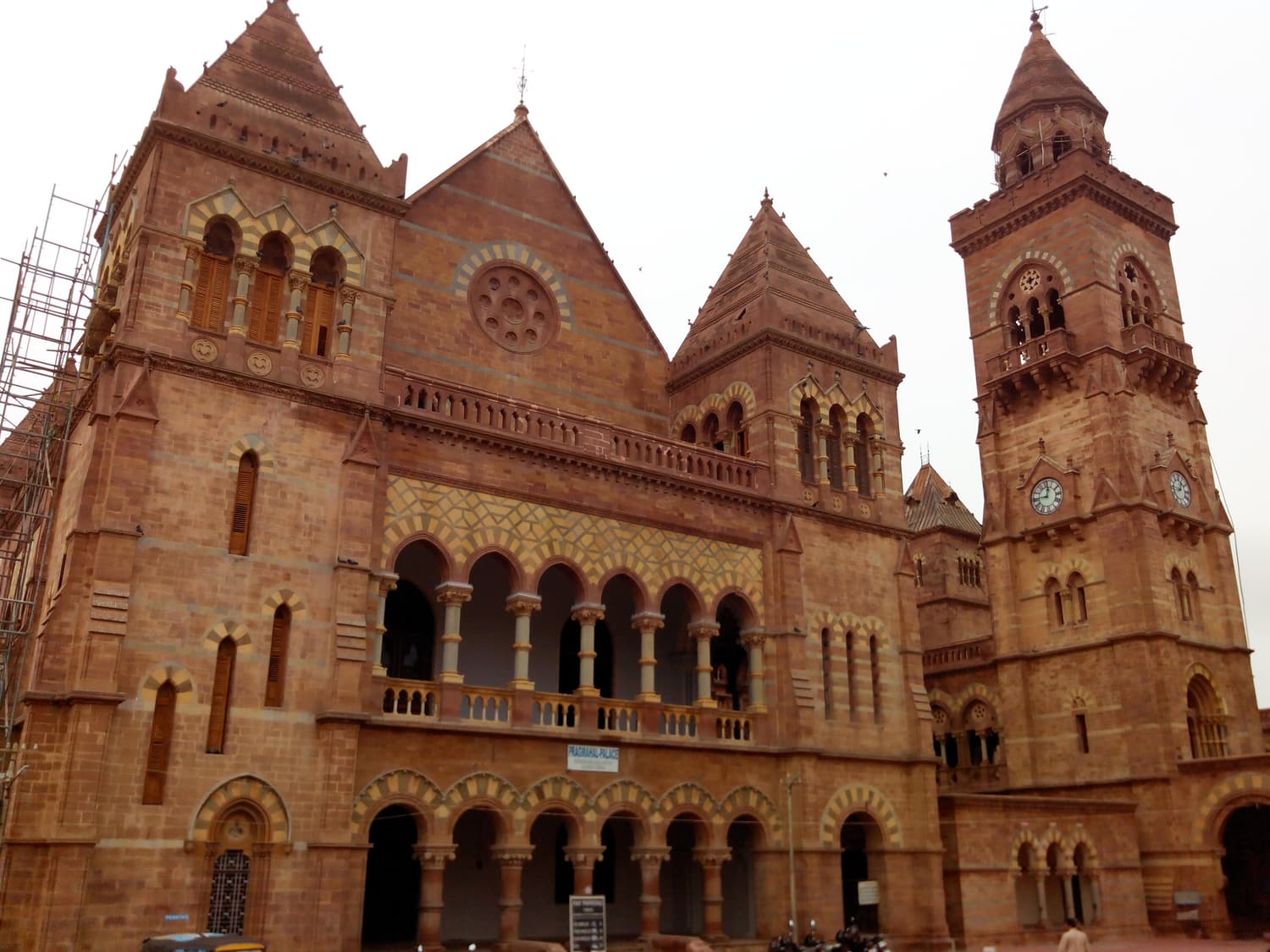
- Aina Mahal, Prag Mahal and the weavers of Bhujodi
- A day trip to the White Rann, Hodka and Dhordo
- Two hotel nights in Bhuj with breakfast and airport transfers
 Private multi-day tour from US$737
Ahmedabad: Rann of Kutch 3-Day Private Tour with Guide
A private car and guide from Ahmedabad to Bhuj and on to the White Rann, with craft villages by day and a tented night at Dhordo with folk music. It is the one Kutch multi-day tour on the platform with a review — a single, five-star one — which is something, though not much. The Tent City operates only in the Rann Utsav season, so check what the stay becomes outside it. Dholavira is not on this itinerary.
- Bhuj’s Aina Mahal and Prag Mahal
- The Great Rann at sunrise and sunset
- Hodka, Dhordo and Nirona; a night in the Tent City
Craft workshop from US$58 Ahmedabad: Kutchi Embroidery and Mirror Work Workshop
A two-hour hands-on introduction to the embroidery Kutch is famous for, held in Ahmedabad. A nice primer before you meet the real thing in the Banni villages — or a consolation if you cannot get that far. New listing, no reviews.
- Learn Kutchi stitches and shisha mirror work
- Taught by a local artisan
- Take your own piece home