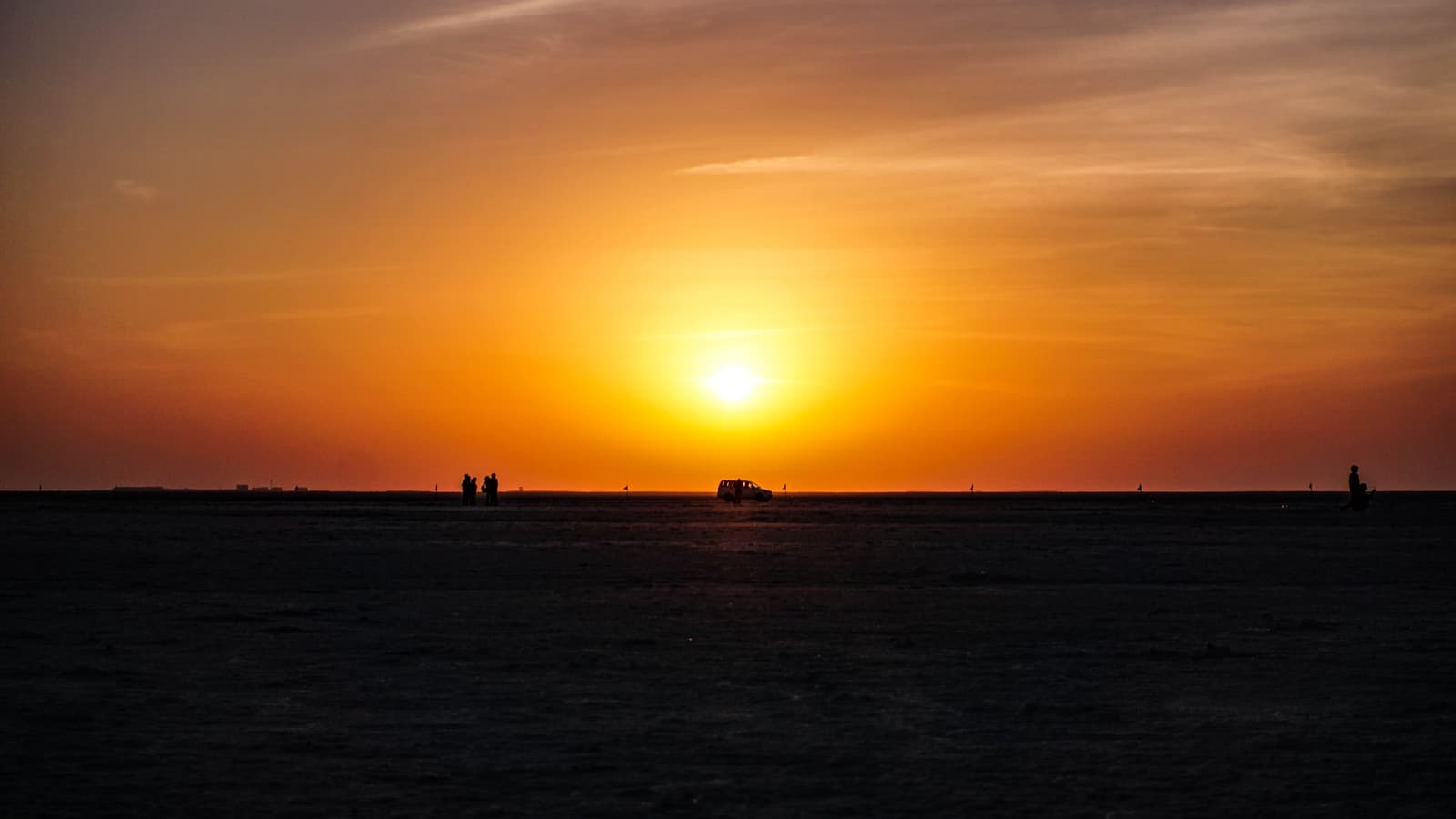
Kutch has three seasons that matter to a visitor: a short, dry winter that is close to perfect; a long, fierce summer; and a brief, unreliable monsoon that turns the Rann into a lake. Because Dholavira is an open site with no shade, the season you choose matters more here than almost anywhere.
The short answer
- Best overall: mid-November to mid-February. Warm days, cold nights, clear skies, and from December a white Rann.
- Good, with caveats: October (hot again after the rains, but green, with water in the Rann and birds arriving) and March (heating up, salt still white, few visitors).
- Avoid if you can: April to June, when the heat is dangerous in the middle of the day.
- For the adventurous: July to September — green ruins, some water in the reservoirs, a flooded Rann, but humidity, mud and reduced services.
| Months | Weather | The Rann | Verdict |
|---|---|---|---|
| November – February | Days warm (roughly mid-20s to low 30s °C); nights cold, sometimes below 10 °C | Drying in November; reliably white from December | Best time. Book ahead. |
| March | Hot days, pleasant mornings | Still white; haze increasing | Good and quiet. Start early. |
| April – June | Very hot: often above 40 °C, sometimes 45 °C or more | Blinding, dusty, mirages | Only for the determined, at dawn. |
| July – September | Humid; erratic monsoon rain | Flooding; tracks muddy | Green and empty, but check access and lodging. |
| October | Hot again, drying out | Shallow water; flamingos arriving | A good shoulder month for birds. |
Temperatures are typical ranges, not forecasts; Kutch’s weather varies a good deal from year to year.
When is the Rann white?
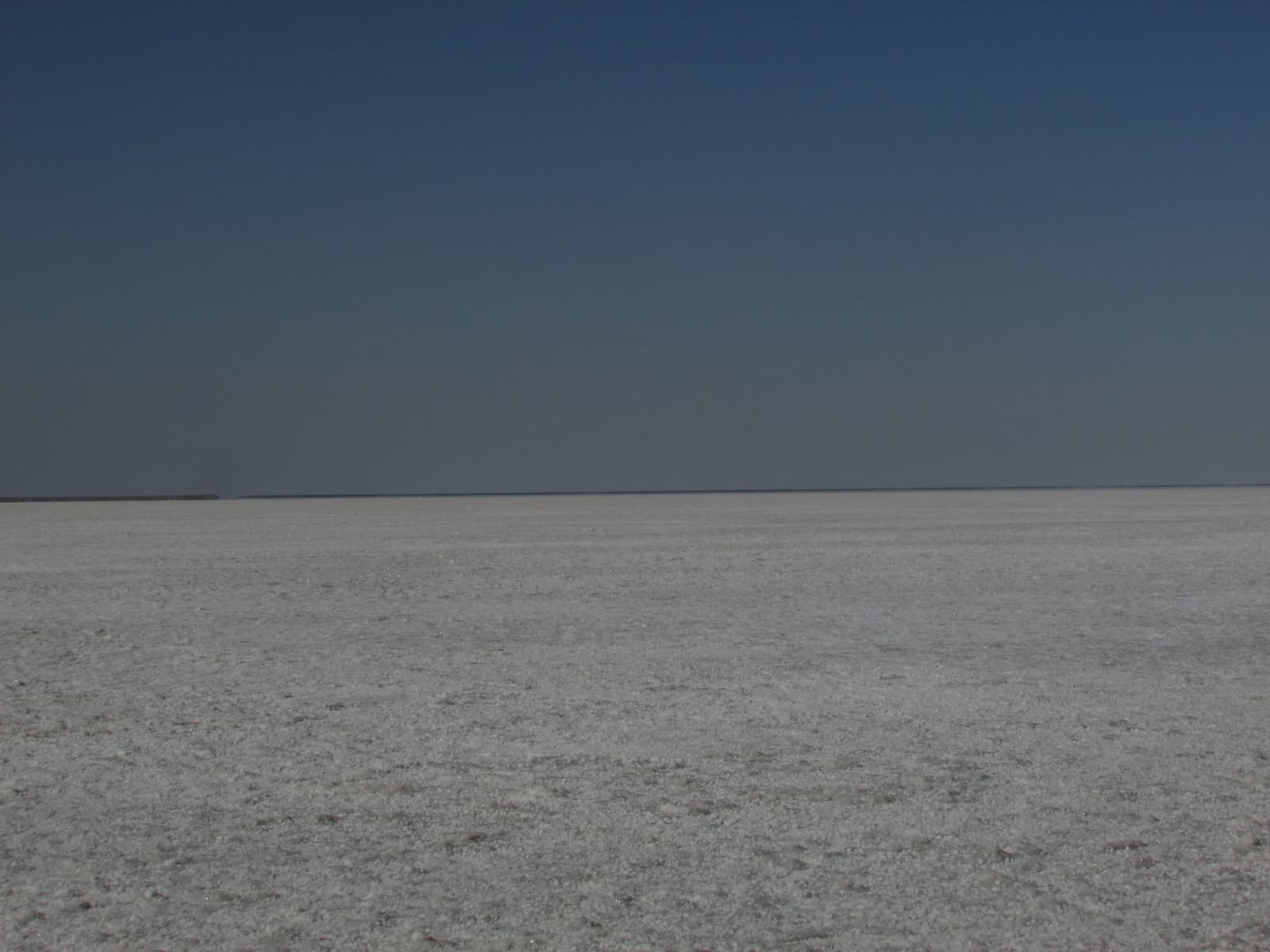
The white crust is what is left when the monsoon’s water evaporates. How quickly that happens depends on how much rain fell. In an average year the flats around Khadir Bet and at Dhordo are drying through November and are properly white by December; they stay that way until the heat and dust of March and April dull them. After a very wet monsoon the water can linger into January — less salt, but more birds.
Flamingo season
Flamingos follow the water. They are most likely to be seen from the Road to Heaven and the edge of Khadir Bet between about October and February in a year of good rain, feeding in the shallows. Numbers are impossible to promise: one winter there are long pink lines beside the road, the next there is dry salt and no birds within miles. Their nesting grounds deep in the Rann are not open to visitors.
Rann Utsav at Dhordo
The Rann Utsav, the big winter festival with its tent city, is held at Dhordo, not at Dholavira. It usually runs from around November to February, and in some years has opened earlier or been extended into March; the dates are announced afresh each season, so confirm them before you book flights. Full-moon nights are the most sought after and the most expensive. A smaller seasonal tent camp has also operated near Dholavira in recent winters — ask when you book.
Summer, honestly
From April to June Kutch is one of the hottest parts of India. The stone at Dholavira radiates heat, there is no shade on the citadel, and the car becomes an oven on the Rann crossing. Some resorts on Khadir Bet scale back or close. If these are your only dates, be at the gate at sunrise, be indoors by ten, and drink more than you think you need.
The monsoon
Rain in Kutch is scanty and erratic, falling mostly between July and September, sometimes in a few violent bursts. The ruins turn green and the reservoirs may hold water, which is a fine thing to see. Against that: humidity, mud, the chance of the Rann roads being awash, and fewer places open. Check conditions a day or two ahead.
Festivals and crowds
Diwali week, the Christmas–New Year fortnight and the Makar Sankranti kite festival in mid-January bring the heaviest domestic traffic to Kutch. Dholavira never feels crowded in the way Dhordo can, but its few rooms sell out. Weekdays in early December or late January are the sweet spot.